
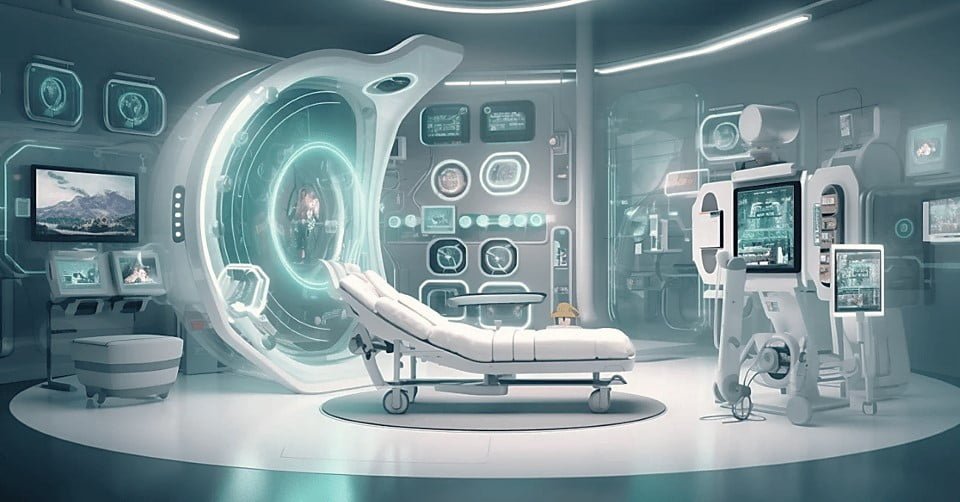
Remember when going to the doctor meant flipping through old magazines in a waiting room and deciphering illegible prescriptions? Those days are quickly becoming a thing of the past. Welcome to the age of digital transformation in healthcare! Let’s explore how technology is reshaping the way we receive and deliver medical care.
What is Digital Transformation in Healthcare?

Simply put, digital transformation in healthcare is about using technology to improve patient care, streamline operations, and make healthcare more accessible and efficient. It’s not just about replacing paper charts with computers – it’s about fundamentally changing how healthcare works.
Key Areas of Digital Transformation in Healthcare
Electronic Health Records (EHRs)
Gone are the days of paper charts stuffed in filing cabinets. EHRs allow healthcare providers to:
- Access patient information quickly and securely
- Share data easily between different healthcare providers
- Reduce errors caused by illegible handwriting or lost paperwork
- Track patient health over time more effectively
EHRs are like a patient’s digital health history, accessible at the touch of a button.

Telemedicine
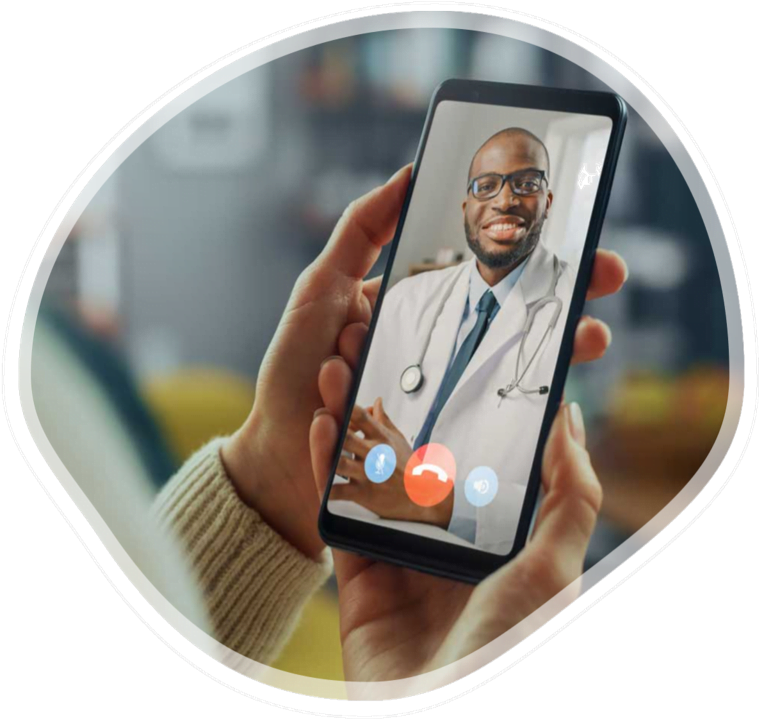
Telemedicine has exploded in popularity, especially since the COVID-19 pandemic. It allows:
- Remote consultations with healthcare providers
- Monitoring of chronic conditions from home
- Access to specialists regardless of location
- Reduced need for in-person visits for routine check-ups
Imagine getting medical advice without leaving your couch – that’s the power of telemedicine!
Artificial Intelligence (AI) and Machine Learning
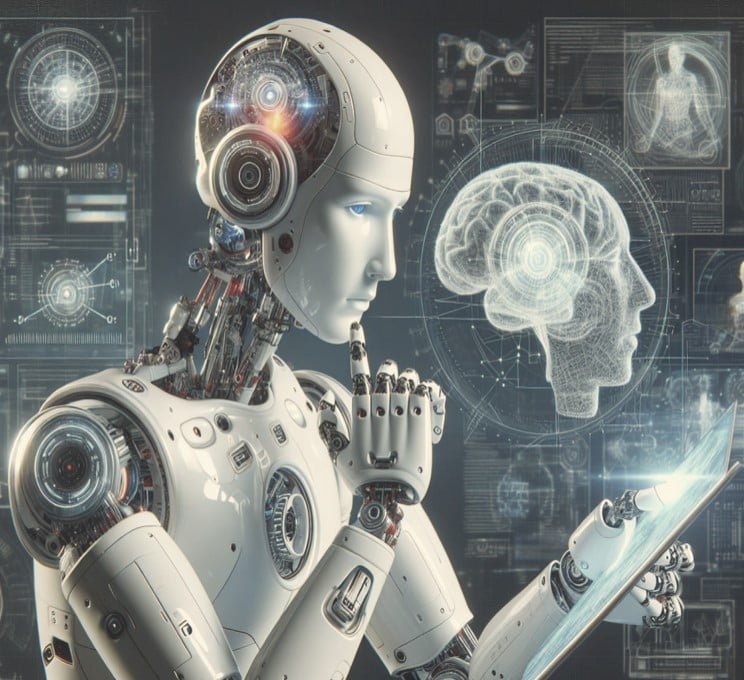
AI isn’t just for sci-fi movies anymore. In healthcare, it’s being used for:
- Analyzing medical images to detect diseases earlier
- Predicting patient risks and outcomes
- Assisting in drug discovery and development
- Automating administrative tasks to free up healthcare workers’ time
AI acts like a super-smart assistant, helping healthcare providers make better decisions faster.
Internet of Medical Things (IoMT)
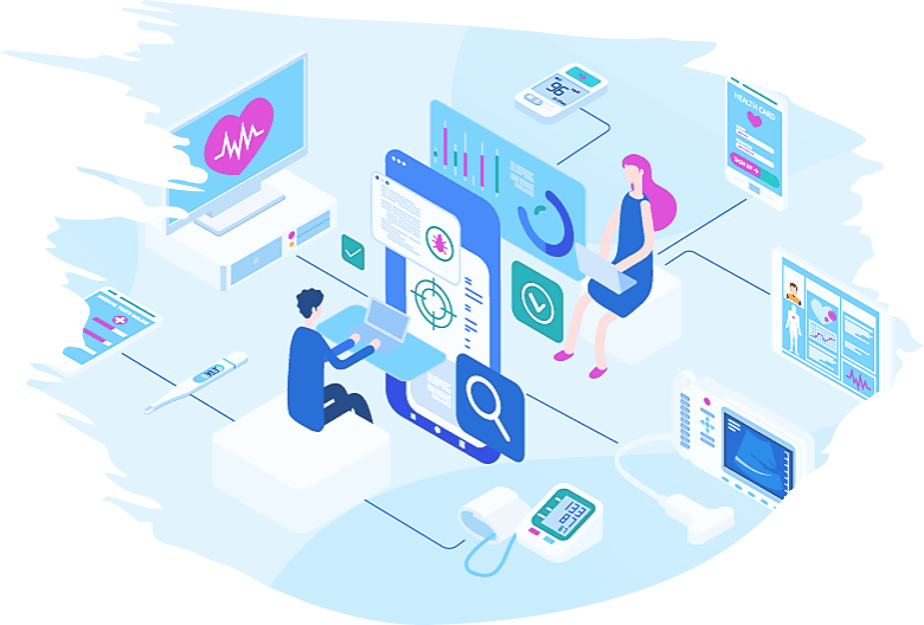
The IoMT refers to connected medical devices and applications. This includes:
- Wearable devices that track vital signs
- Smart pills that can confirm when medication is taken
- Connected inhalers for better asthma management
- Remote monitoring devices for patients with chronic conditions
Think of IoMT as a network of smart medical gadgets all working together to keep you healthy.
Big Data and Analytics
Healthcare generates enormous amounts of data. Big data analytics helps by:
- Identifying trends and patterns in public health
- Improving patient outcomes through predictive analytics
- Optimizing hospital operations and resource allocation
- Enhancing clinical decision-making with data-driven insights
It’s like having a crystal ball that can predict health trends and help prevent issues before they occur.

Blockchain in Healthcare
Blockchain technology, famous for cryptocurrencies, is finding its place in healthcare:
- Securing patient data and ensuring privacy
- Improving the traceability of drugs to combat counterfeit medications
- Streamlining insurance claims processing
- Enhancing interoperability between different healthcare systems
Think of blockchain as a super-secure digital ledger for healthcare information.
Virtual and Augmented Reality
VR and AR aren’t just for gaming. In healthcare, they’re used for:
- Training medical professionals in a risk-free environment
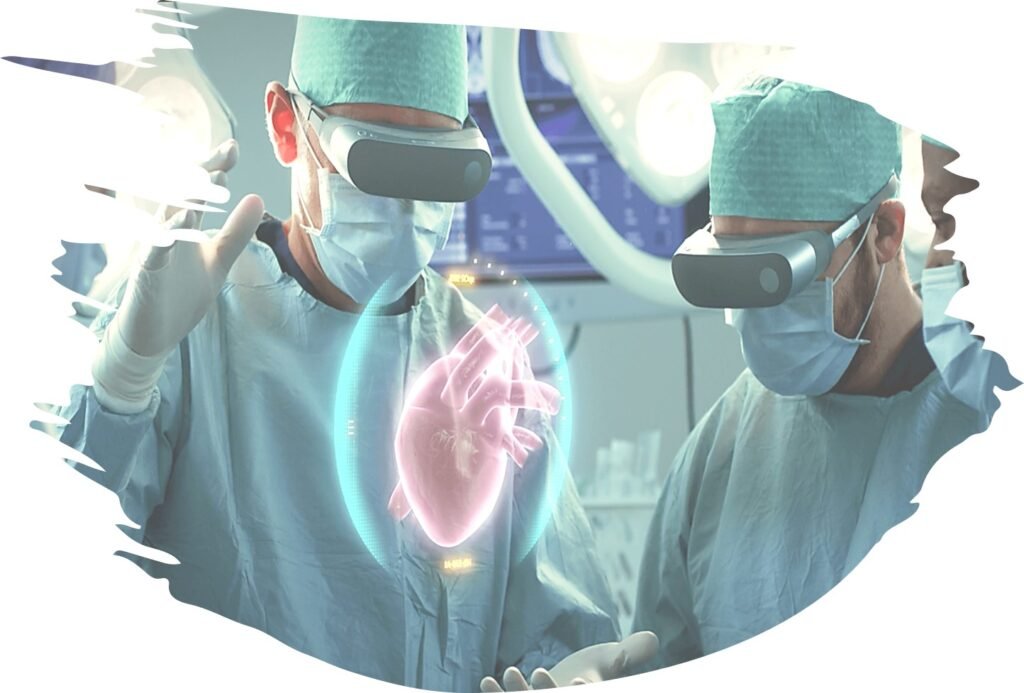
- Assisting in complex surgeries
- Helping patients manage pain and anxiety
- Rehabilitating patients with physical or cognitive impairments
Imagine a world where surgeons can practice complex procedures in virtual reality before ever touching a patient!
Benefits of Digital Transformation in Healthcare
The advantages of going digital in healthcare are numerous:
- Improved Patient Care: Faster, more accurate diagnoses and personalized treatment plans.
- Enhanced Efficiency: Streamlined processes save time for both patients and providers.
- Better Access to Care: Telemedicine brings healthcare to underserved areas.
- Reduced Costs: Automation and optimization can lower healthcare expenses.
- Empowered Patients: Access to health data helps patients take charge of their wellness.
- Advanced Research: Big data analytics accelerate medical discoveries.

Challenges in Healthcare Digital Transformation
While the benefits are clear, there are hurdles to overcome:
- Data Privacy and Security: Protecting sensitive health information is crucial.
- Integration Issues: Getting different systems to work together seamlessly can be tricky.
- Resistance to Change: Some healthcare providers and patients may be hesitant to adopt new technologies.
- Cost of Implementation: Initial investments in digital transformation can be substantial.
- Digital Divide: Ensuring equal access to digital health technologies for all populations.
The Future of Digital Healthcare
As technology continues to evolve, we can expect to see:
- Personalized Medicine: Treatments tailored to individual genetic profiles.
- AI-Assisted Diagnoses: More accurate and faster diagnoses with AI support.
- Robotic Surgery: Increasingly sophisticated robotic systems for complex procedures.
- 3D-Printed Organs: Customized organ replacements produced on-demand.
- Nano-Medicine: Microscopic devices delivering targeted treatments inside the body.
Conclusion: Embracing the Digital Health Revolution
Digital transformation in healthcare is not just about adopting new technologies – it’s about reimagining how we approach health and wellness. From AI-assisted diagnoses to virtual reality surgical training, these innovations are creating a healthcare system that’s more efficient, accessible, and effective than ever before.

As patients, we can look forward to more personalized care, better access to our health information, and new ways to manage our wellness. For healthcare providers, these technologies offer tools to provide better care, make more informed decisions, and focus more on patients rather than paperwork.
The digital health revolution is here, and it’s transforming healthcare as we know it. Are you ready to be part of this exciting change?
What aspects of digital healthcare are you most excited about? Have you experienced any of these technologies in your own healthcare journey? Share your thoughts and experiences in the comments below!