

In the world of business and project management, you’ll often hear the term “stakeholder” thrown around. But what exactly is a stakeholder, and why is managing them so crucial? Let’s dive into the world of stakeholder management and explore strategies for building strong, productive relationships that can make or break your success.
What is a Stakeholder?
Simply put, a stakeholder is anyone who has an interest in or is affected by your project or business. This could include:
- Investors and shareholders
- Employees
- Customers
- Suppliers
- Local community members
- Government regulators
- Partner organizations
Each of these groups has different needs, expectations, and levels of influence. Understanding and managing these diverse stakeholders is key to smooth sailing in any project or business venture.
Why is Stakeholder Management Important?
Effective stakeholder management can:
- Increase project success rates
- Improve decision-making
- Reduce risks and conflicts
- Enhance reputation and credibility
- Foster innovation through diverse perspectives
- Ensure long-term sustainability of your efforts
On the flip side, poor stakeholder management can lead to project failures, damaged relationships, and missed opportunities. It’s not just good practice – it’s essential for success.

Identifying Your Stakeholders
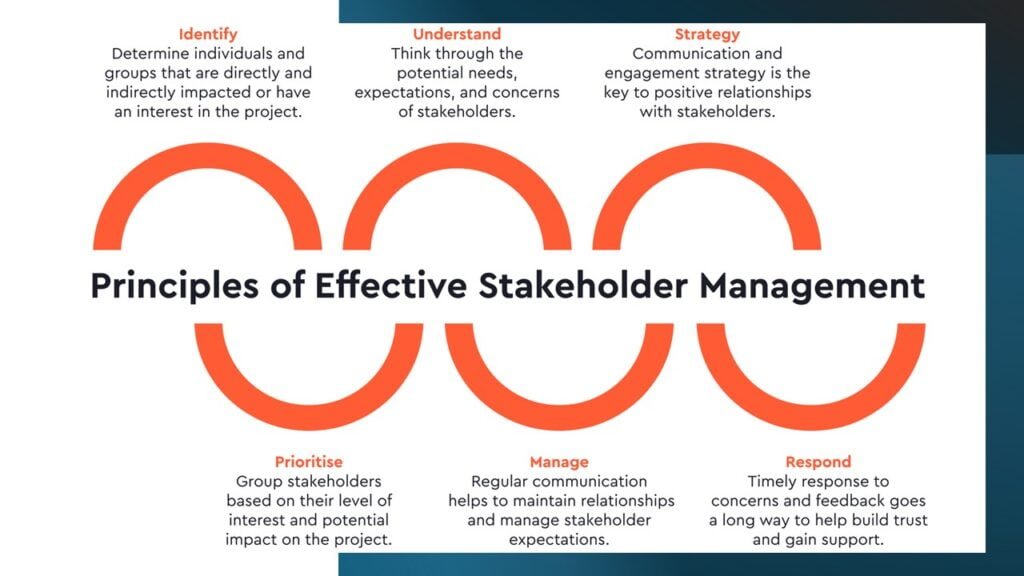
The first step in stakeholder management is knowing who your stakeholders are. Here’s how to identify them:
- Brainstorm: List anyone who might be affected by or have influence over your project or business.
- Use stakeholder categories: Think about internal vs. external stakeholders, primary vs. secondary stakeholders, etc.
- Consider the entire lifecycle: Different stakeholders may become important at different stages of your project or business.
- Ask others: Consult with team members or industry experts to ensure you haven’t missed anyone.
Remember, stakeholders can change over time, so revisit this step regularly.
Analyzing Your Stakeholders
Once you’ve identified your stakeholders, it’s time to analyze them. Consider:
- Their level of influence or power
- Their interest in your project or business
- Their potential impact on your success
- Their current attitude towards your efforts (supportive, neutral, or opposed)
A popular tool for this is the Power/Interest Grid, where you plot stakeholders based on their level of power and interest. This helps you prioritize your engagement efforts.
Developing a Stakeholder Engagement Strategy
Now that you know who your stakeholders are and what makes them tick, it’s time to plan how you’ll engage with them. Your strategy should include:
- Communication methods: How will you reach each stakeholder? (e.g., emails, meetings, reports)
- Frequency of communication: How often will you engage with each stakeholder?
- Key messages: What are the main points you need to convey?
- Engagement goals: What do you hope to achieve through your interactions?
Remember, one size doesn’t fit all. Tailor your approach to each stakeholder or stakeholder group.
Effective Communication Techniques
Communication is at the heart of stakeholder management. Here are some tips for effective communication:
- Be clear and concise: Avoid jargon and get to the point.
- Listen actively: Show genuine interest in stakeholders’ views and concerns.
- Be transparent: Share both good news and challenges openly.
- Use visual aids: Graphs, charts, and diagrams can help convey complex information.
- Tailor your message: Adjust your communication style and content to suit each stakeholder.
- Follow up: Ensure your messages are understood and act on feedback.
Remember, communication is a two-way street. Encourage dialogue and be open to feedback.
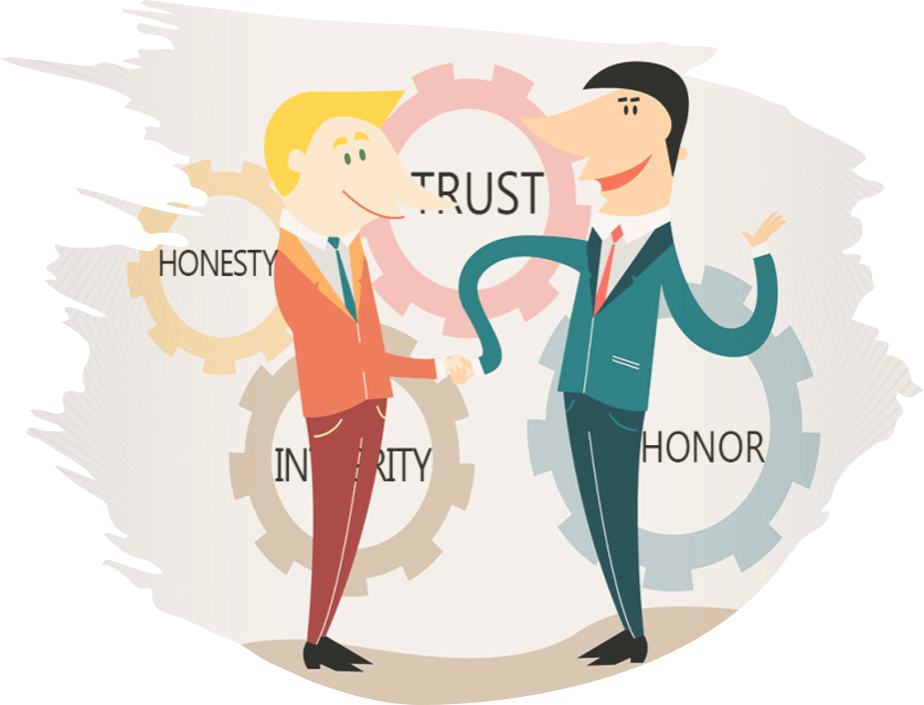
Building Trust and Credibility
Trust is the foundation of strong stakeholder relationships. Here’s how to build and maintain it:
- Keep your promises: Do what you say you’ll do.
- Be consistent: Align your words and actions.
- Show competence: Demonstrate that you know what you’re doing.
- Be honest: Admit mistakes and share bad news promptly.
- Show respect: Value stakeholders’ time, opinions, and contributions.
- Be responsive: Address concerns and questions in a timely manner.
Building trust takes time, but it’s worth the investment.
Managing Stakeholder Expectations
Unmet expectations can quickly sour stakeholder relationships. To manage expectations effectively:
- Be realistic: Don’t overpromise or sugarcoat challenges.
- Clarify assumptions: Ensure you and your stakeholders are on the same page.
- Communicate changes: If expectations need to shift, explain why.
- Negotiate: Find middle ground when stakeholder expectations conflict.
- Document agreements: Keep a record of what’s been agreed upon.
Remember, it’s better to under-promise and over-deliver than the other way around.
Dealing with Difficult Stakeholders
Not all stakeholders will be easy to work with. When facing difficult stakeholders:
- Stay calm and professional: Don’t let emotions drive your responses.
- Seek to understand: Try to see things from their perspective.
- Focus on interests, not positions: Look for underlying needs and concerns.
- Find common ground: Identify shared goals or values.
- Set clear boundaries: Be firm but respectful about what’s acceptable.
- Escalate if necessary: Know when to involve higher-ups or mediators.
Remember, even challenging relationships can be turned around with patience and skill.
Continuous Improvement in Stakeholder Management
Stakeholder management is an ongoing process. To continuously improve:
- Regularly review your stakeholder landscape: Are there new stakeholders? Have priorities shifted?
- Seek feedback: Ask stakeholders how you can improve your engagement with them.
- Learn from successes and failures: Reflect on what worked well and what didn’t.
- Stay informed: Keep up with best practices in stakeholder management.
- Be flexible: Be willing to adjust your approach as needed.
Remember, the goal is to build long-term, mutually beneficial relationships.
Conclusion:
Effective stakeholder management is both an art and a science. It requires empathy, strategic thinking, and strong communication skills. By identifying and understanding your stakeholders, developing tailored engagement strategies, and consistently building trust and managing expectations, you can create a network of supportive relationships that drive your success.
Remember, at its core, stakeholder management is about people. Treat your stakeholders with respect, listen to their concerns, and work together towards shared goals. With practice and patience, you can master the art of stakeholder management and set yourself up for long-term success in any endeavor.
What are your experiences with stakeholder management? Share your tips and challenges in the comments below!



One thought on “Mastering the Art of Stakeholder Management: Building Strong Relationships”